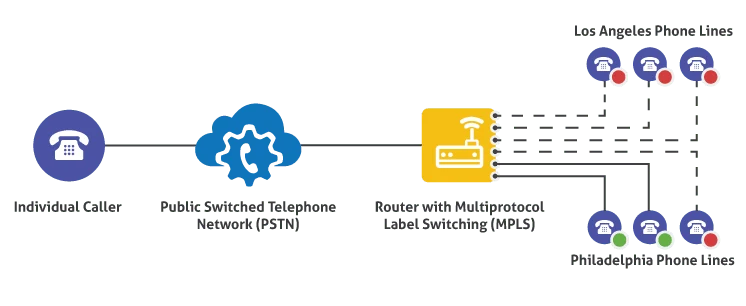
Document where carrier responsibility ends
Confirm number routing, destination coverage, concurrent capacity and fault escalation. The carrier's role differs from the application's role in agent work and supervisor visibility. For Voz360, make those boundaries explicit in the implementation plan so incidents reach the right team.
Test the operational connections
Use a call that requires customer history, an internal transfer and a follow-up. Check the service record after the interaction. The architecture is useful when a team can identify both the connectivity owner and the person responsible for the customer's next step.
Use an incident to test architecture ownership
Describe a sample failed call that affects an open customer request. Ask who investigates connectivity and who keeps the customer updated. A good architecture review identifies both responsibilities and the information they share, rather than leaving the service team to interpret the carrier issue alone.
Your practical checklist
- Map carrier boundaries
- Confirm concurrent capacity
- Test the service record
- Assign both technical and service owners
Use this checklist in a workflow review with your agents, supervisors and implementation owners. Record what the team demonstrates, which decisions need an owner and what remains to be confirmed for your deployment.
Published by the Voz360 Editorial Team using the product scope supplied by the product owner. Scenarios, worksheets and diagrams are illustrative; they are not customer results or application screenshots. Configuration, carrier services, integrations and commercial terms are scoped for each deployment.