Model normal and peak demand
List inbound numbers, outbound destinations and simultaneous-call needs. Ask the provider how capacity changes are ordered and what support applies during an incident. Confirm number availability and caller presentation for each market rather than infer them from general coverage language.
Test the platform and carrier together
For Voz360, run inbound, outbound, transfer and failure scenarios using the intended telephony setup. Check how supervisors identify affected work and how carrier issues are escalated. Keep connectivity costs separate from agent subscriptions and optional AI or workforce modules in the proposal.
Test capacity and support together
Plan a representative peak calling scenario with the carrier and implementation team. Confirm how capacity is provisioned and who receives an incident report. Document what agents and supervisors should record if a call fails so the support path includes evidence the technical owner can use.
Estimate simultaneous demand rather than headcount
Agent count alone does not describe voice capacity. Consider simultaneous inbound conversations, outbound activity, transfers and busy-period patterns. Work with the carrier and implementation team to establish how your proposed calling flows consume capacity.
Use actual traffic observations where available and identify seasonal peaks. A monthly total can hide a short interval that overwhelms available capacity. Keep assumptions visible if the new service has no historical data.
Test growth without changing every variable
Increase a representative workload in stages and observe call establishment, audio quality, routing and supervisor visibility. Use controlled synthetic or approved testing arrangements; do not create unsolicited calls to real customers. Check the effect of an unavailable route and a local connectivity interruption.
Agree the evidence needed to distinguish capacity constraints from network or application problems. Record call identifiers, timestamps and the tested topology. Provider and application responsibilities should be clear before an incident occurs.
Match the commercial model to the growth plan
Confirm capacity changes, lead times, number requirements and charging structure with the provider. Compare expected usage and destinations as well as recurring charges. Avoid assuming capacity can be changed instantly without agreement.
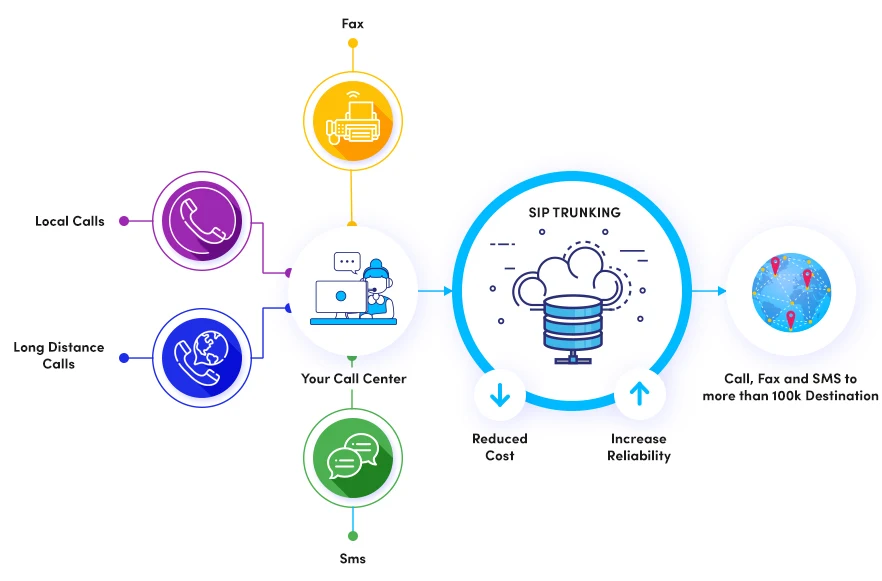
This article focuses on growth planning; the SIP comparison guide covers provider selection. Use Voz360 Voice/PBX to confirm the application-side calling requirements for both discussions.
Your practical checklist
- Model peak concurrency
- Confirm number availability
- Test failure handling
- Separate carrier costs
Use this checklist in a workflow review with your agents, supervisors and implementation owners. Record what the team demonstrates, which decisions need an owner and what remains to be confirmed for your deployment.
Published by the Voz360 Editorial Team using the product scope supplied by the product owner. Scenarios, worksheets and diagrams are illustrative; they are not customer results or application screenshots. Configuration, carrier services, integrations and commercial terms are scoped for each deployment.